



Respecting the Wildlife All Around Us
Wildlife is all around us. As neighborhoods continue to grow, encounters with animals like birds, squirrels, deer, and other native species are becoming more common. Most wildlife is simply passing through or trying to find food, shelter, or a safe place to raise young.
Understanding how to peacefully coexist helps keep both people and animals safe, and allows wildlife to remain wild.
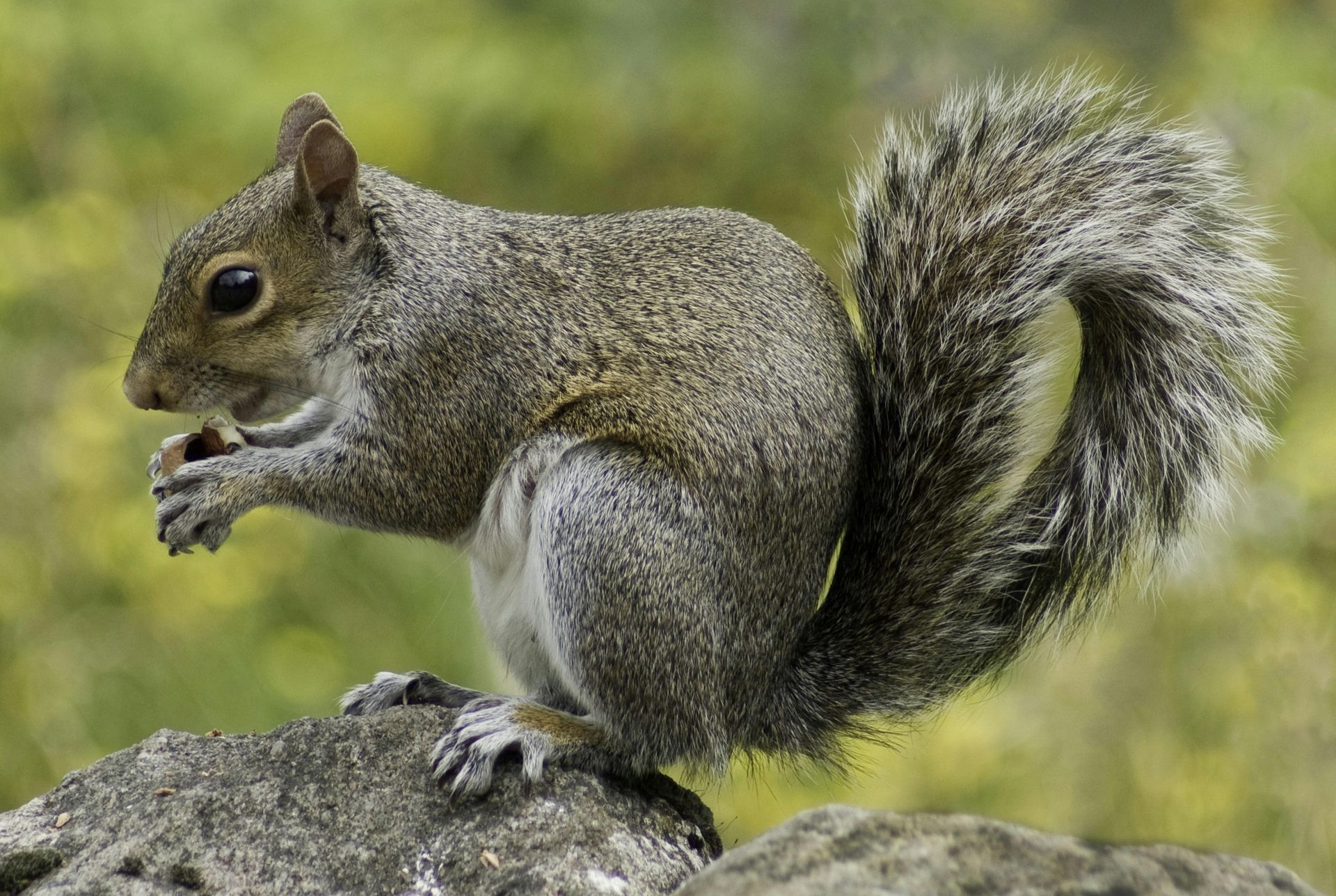
Squirrels
- Squirrels are a natural part of our ecosystem and usually pose no threat. Most encounters are brief and harmless.
- Breeding season happens twice a year—late winter (January–February) and late spring/early summer (May–June). During this time, squirrels may seem more active as they look for nesting spots.
- If a squirrel enters your home, stay calm. Open doors or windows to the outside, turn off lights, and give it space so it can leave on its own.
- Do not chase or handle squirrels. This can stress the animal and increase the risk of injury.
- After it leaves, seal entry points to prevent future visits, especially before breeding season.
- To learn more click here.
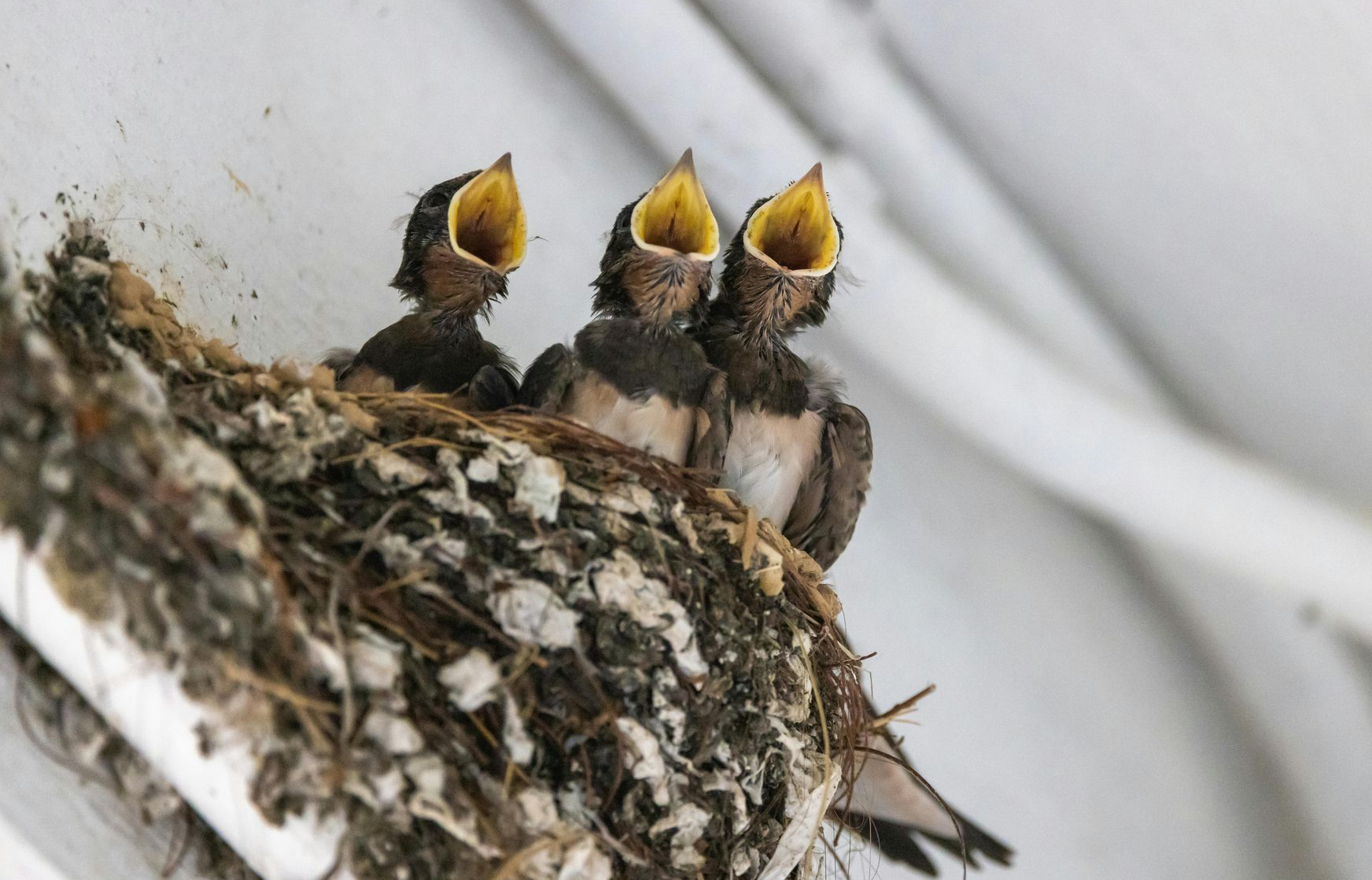
Birds
- Birds play a vital role in our ecosystem, helping with pollination, seed dispersal, and natural insect control.
- Nesting season generally lasts from spring through summer (about March–August). During this time, birds may explore sheltered areas like eaves, porches, or vents to build nests and raise their young.
- If a bird enters your home, remain calm and give it space. Turn off lights, close interior doors, and open one window or door to the outside so the bird can safely exit on its own.
- Never chase, corner, or handle birds. This can cause injury or extreme stress and may separate parents from their young.
- Do not disturb active nests. Many bird species and their nests are protected by law. If a nest is in an unsafe location, contact a licensed wildlife professional for guidance.
- After the bird has left, inspect your home for gaps or openings and take steps to prevent future entries once nesting season has ended.
- For more information click here.
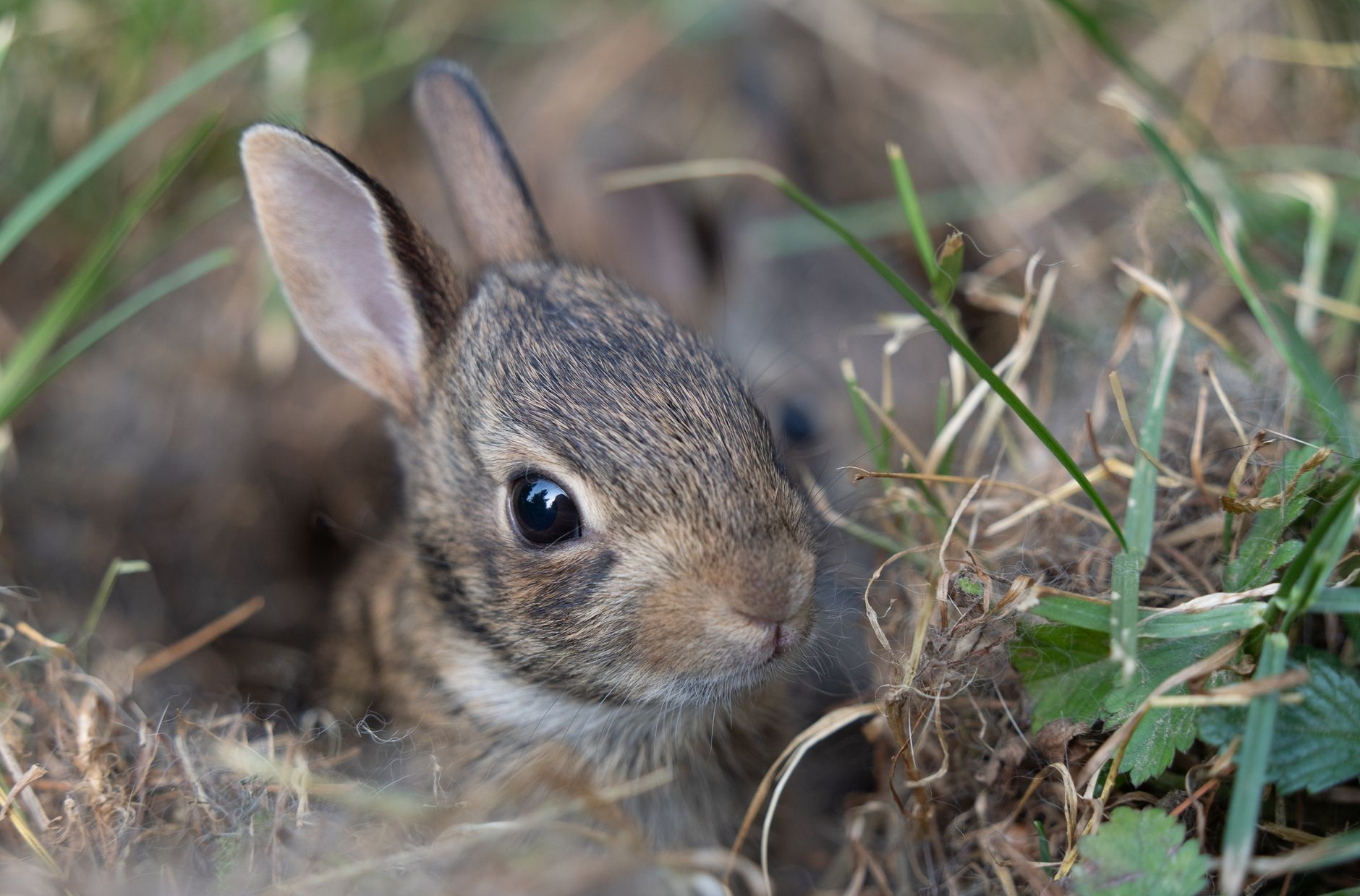
Baby Bunnies
- Baby bunnies found alone are usually not abandoned. Mother rabbits visit their nests only once or twice a day to avoid attracting predators.
- Rabbit nesting season typically runs from early spring through summer. Nests are often shallow and hidden in grass, gardens, or yards.
- Do not touch or move baby bunnies. Human scent can stress the mother and may put the babies at risk.
- If the nest is in a high-traffic area, gently mark it (with small sticks or flags nearby) and keep pets and people away.
- Only intervene if the babies are injured or the mother is known to be deceased. In those cases, contact a licensed wildlife rehabilitator for guidance.
- For more information click here.
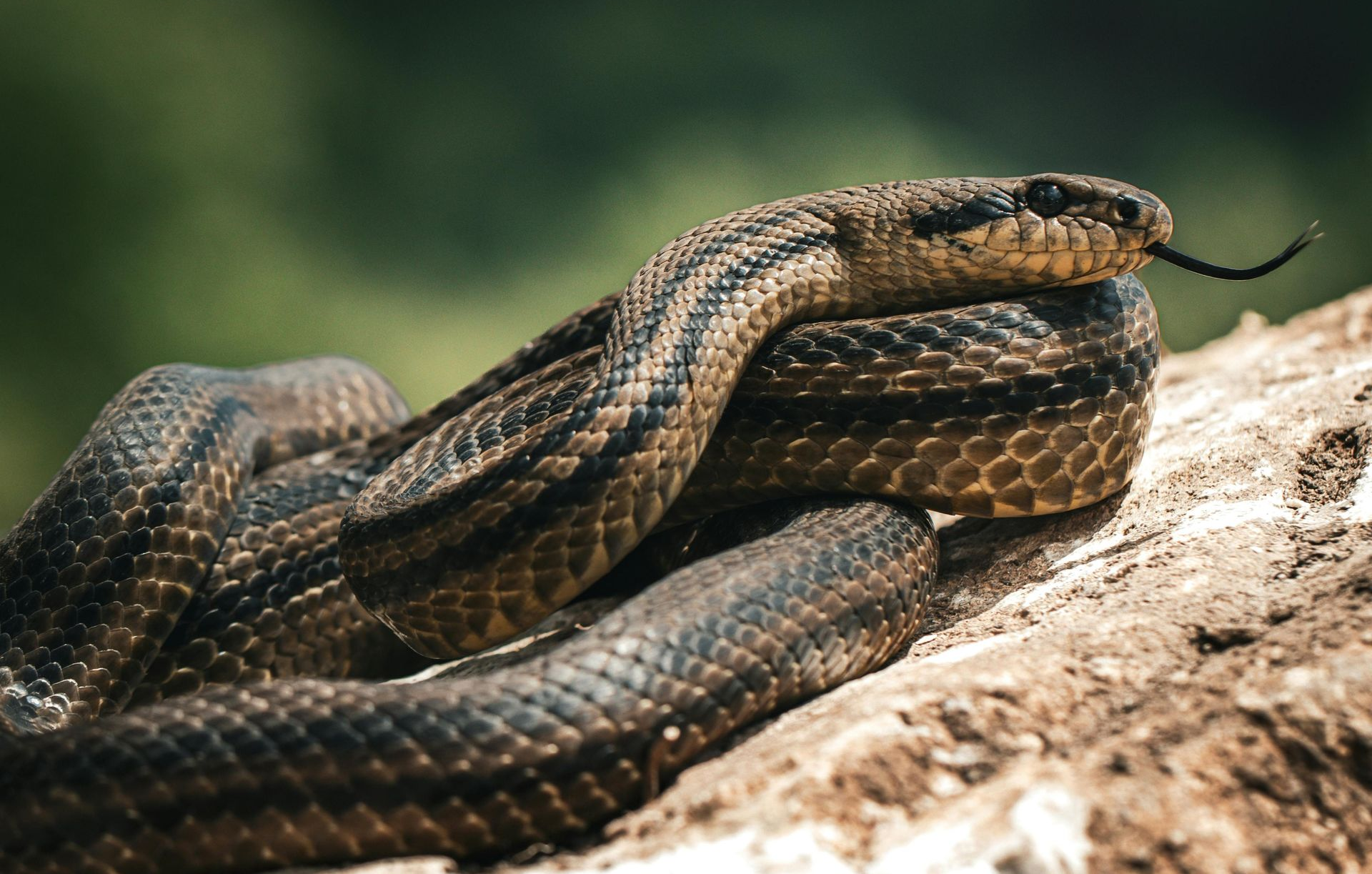
Snakes
- As natural pest controllers, snakes contribute to a balanced environment.
- Breeding season usually occurs in spring (March–May), when snakes become more active and visible.
- If you encounter a snake in your home or yard, stay calm. Give it space and allow it to move away on its own.
- Do not attempt to handle or kill snakes. Even non-venomous snakes can bite if threatened.
- Seal gaps, trim tall grass, and remove debris around your home to reduce hiding spots and prevent future encounters.
- Venomous snakes may have triangular heads, vertical pupils, or a single row of scales under the tail, but these traits vary by species and aren’t foolproof.
- If a snake is venomous, injured, or posing a danger, contact a licensed wildlife professional for safe removal.
- For more information click here.

Raccoons
- Raccoons are a common and important part of our local wildlife. They are highly intelligent, adaptable, and usually just passing through while foraging for food.
- Raccoon breeding season typically begins in late winter (January–March). During this time, they may seek warm, quiet spaces to den or raise young.
- If a raccoon enters your home, stay calm and give it space. Open a clear exit to the outdoors if it’s safe to do so, leave the area, and allow the animal to leave on its own.
- Never approach, corner, or handle a raccoon. This can be dangerous for both people and the animal.
- Once the raccoon has left, secure your home by sealing entry points and removing outdoor food sources to prevent future visits.
- To learn more click here.
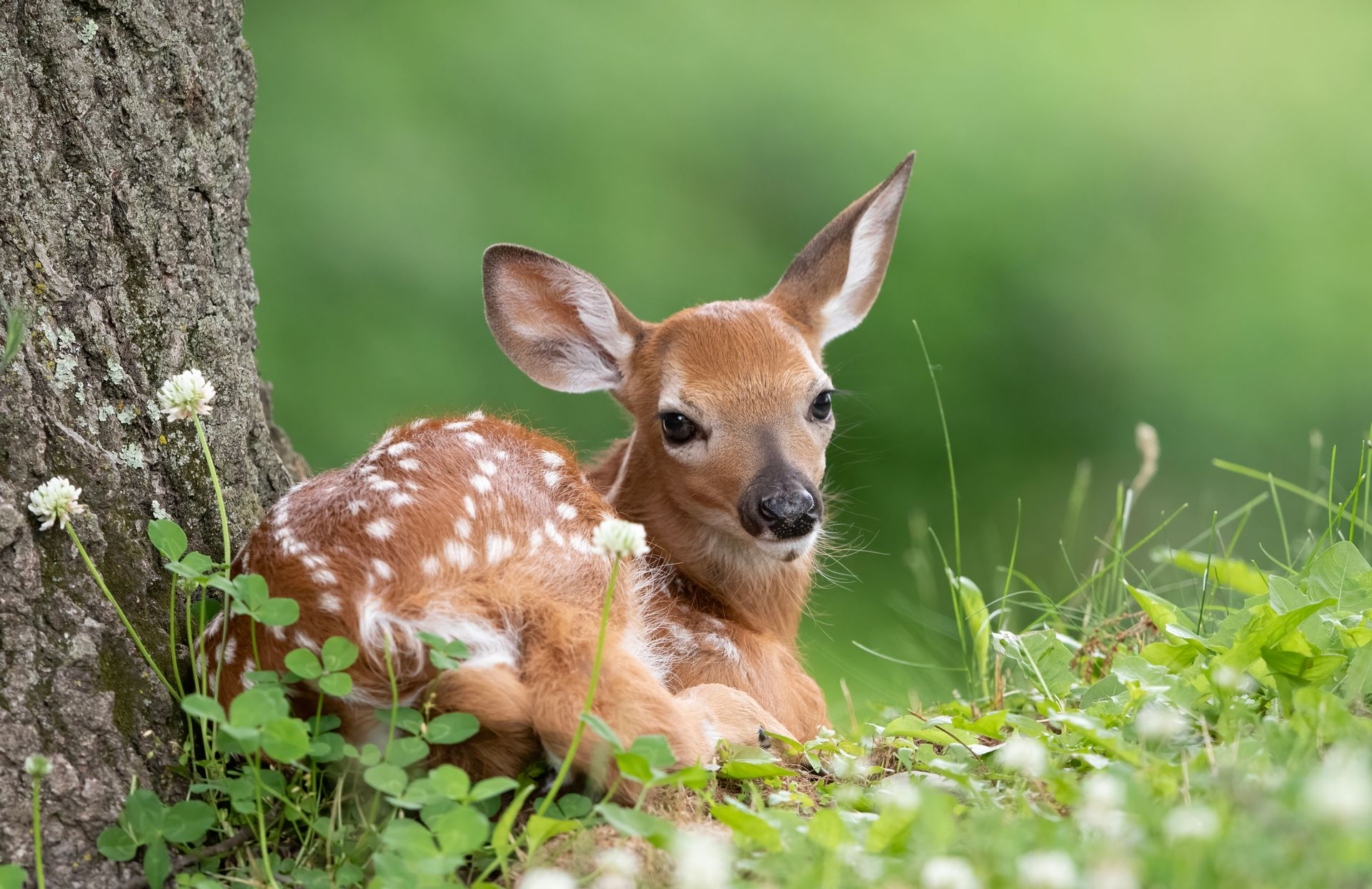
Deer
- As wildlife habitats overlap with developed areas, deer are being seen more often near homes. They are generally shy animals and will avoid people whenever possible.
- Breeding season (rut) occurs in the fall (typically October–November). During this time, deer may be more active, less cautious, and seen during daylight hours.
- In late spring and early summer, fawns are often left alone. This is normal behavior, mother deer leave their young hidden while they forage nearby. A fawn that appears alone is usually not abandoned.
- Do not approach or attempt to help deer. This includes touching fawns or trying to move adult deer, which can cause stress or injury.
- Give deer plenty of space and keep pets leashed. If a deer is injured or in immediate danger, contact a licensed wildlife professional.
- For more information click here.
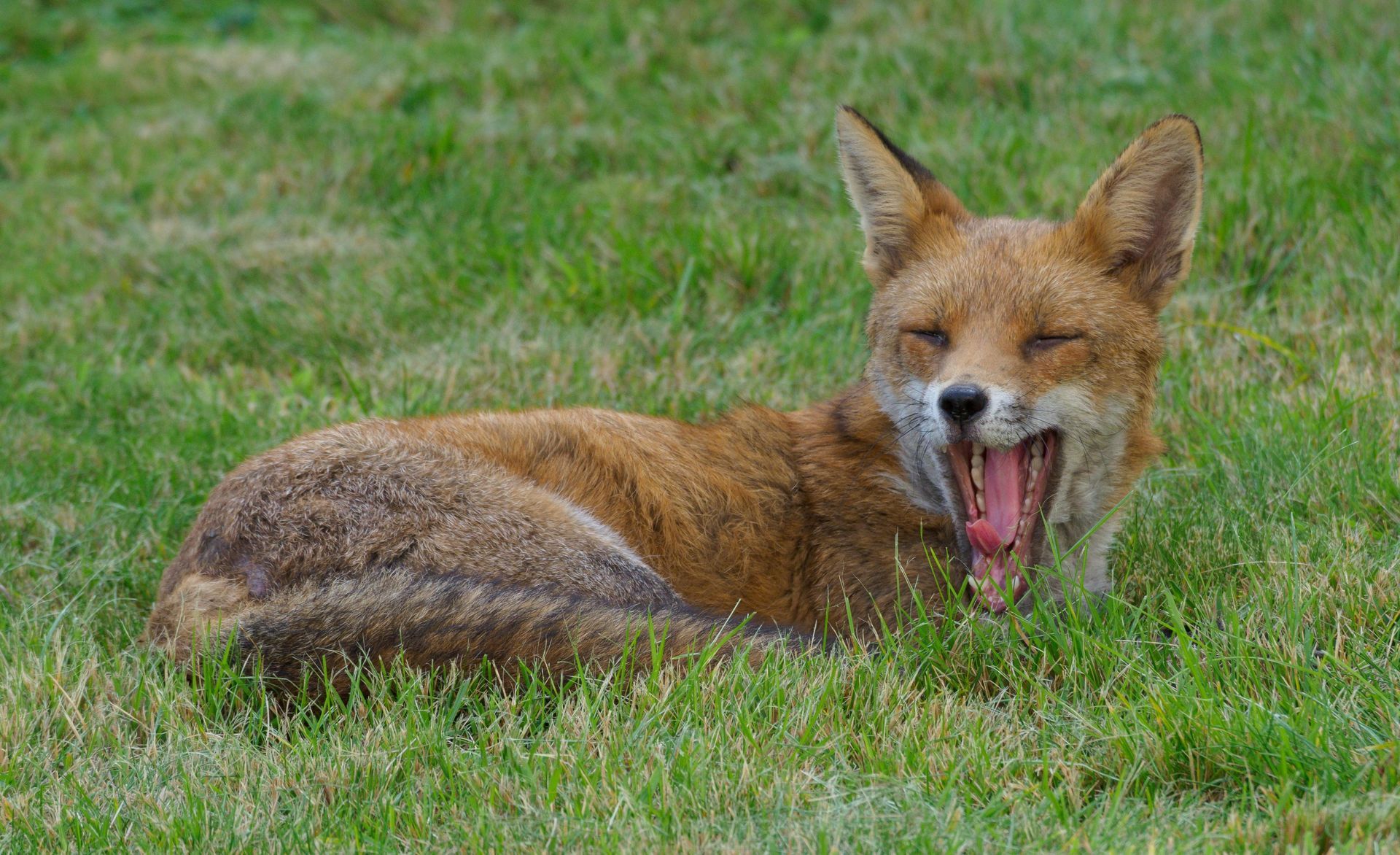
Fox
- Foxes are adaptable, shy predators that usually avoid humans and play an important role in controlling rodent and insect populations.
- Breeding season occurs in late winter to early spring (February–March), and kits are born in hidden dens.
- If a fox enters your property or home, remain calm. Give it space and a clear path to leave on its own.
- Never approach, corner, or feed a fox. They are wild animals and can bite if frightened.
- Secure garbage, pet food, and other attractants to prevent foxes from lingering.
- If a fox appears injured or aggressive, contact a licensed wildlife professional for assistance.
- To learn more click here.

Bats
- Bats are essential to our ecosystem, helping control insects and pollinate plants. Most bats are harmless and avoid humans.
- Breeding season typically occurs in late spring to early summer, with mothers forming maternity colonies to raise their pups.
- If a bat enters your home, stay calm. Close interior doors, turn off lights, and open a window or door to the outside so it can exit safely.
- Never handle bats with bare hands. They can carry diseases such as rabies, so always use gloves or call a licensed wildlife professional if removal is necessary.
- Seal gaps and repair screens to prevent future entries, especially near attics or eaves where bats may roost.
- If a bat appears injured, trapped, or in contact with people or pets, contact local wildlife authorities for safe handling.
- For more information click here.
For information about other Wildlife, please click these links: Black Bears, Coyotes, Groundhogs, Chipmunks, Bobcats,
and Opossums.
If you find wildlife that appears injured and needs care, please contact the following;
Montgomery County : Second Chance Wildlife
Washington D.C. : City Wildlife
